
IT’S TIME TO THINK BEYOND CONVENTIONAL PVD COATINGS.
Stop Wasting Money on Coatings that Don’t Work.
This game-changing breakthrough means less down-time, higher profits and the opportunity to scale up far beyond traditional coating business models.

ARE YOU WINNING THE WAR ON WEAR?
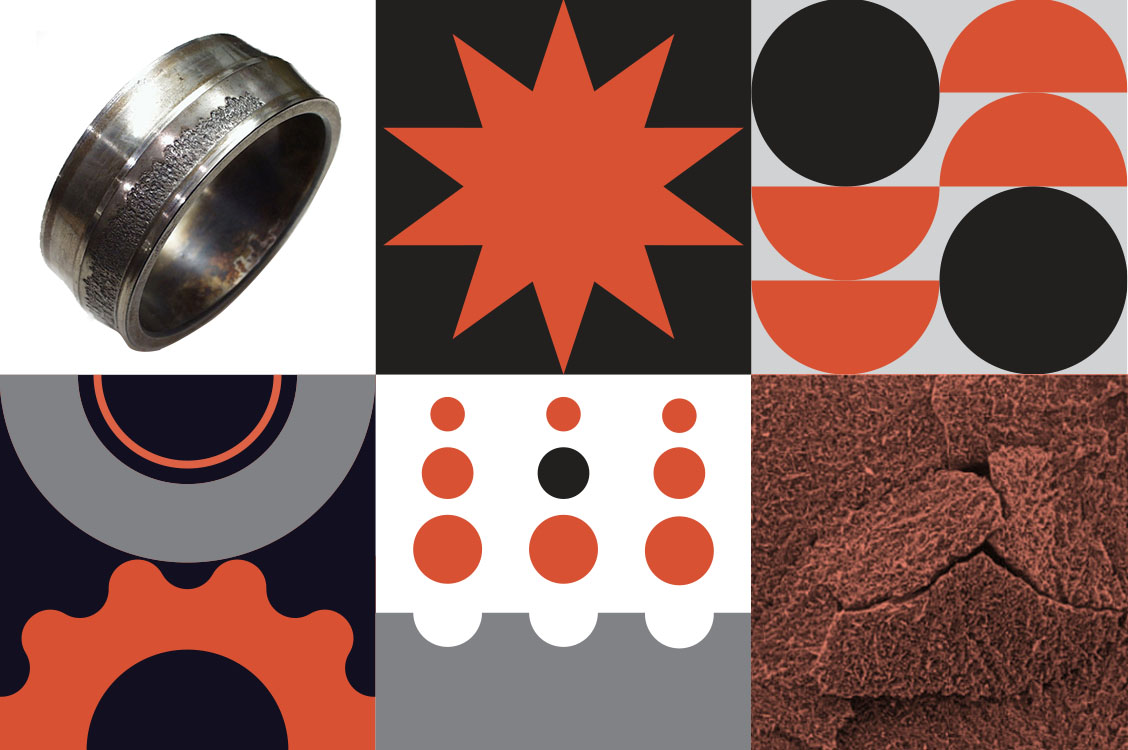
• Long down times
• Higher inventories
• Reduced part quality
• Unpredictable process performance
• Unpredictable maintenance cycles
Problems with conventional PVD
- Spalling
- Oxidation
- Soldering
- Wear
- Galling
- Poor surface prep
- Friction
- Debonding
- Chipping
- Cracking
- Delaminating
- Peeling
introducing
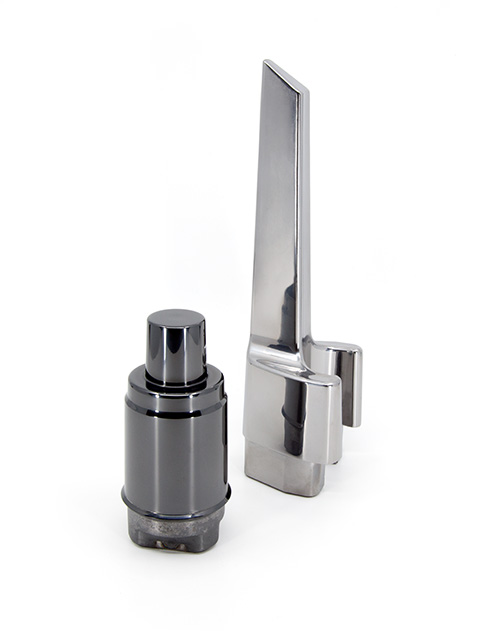
fortiphy™ xvd nanoperfection™ technology
- Longer tool and die service life
- Improved release properties
- Increased process throughput
- Greater product consistency
- Fewer maintenance cycles
- Lower inventory requirements


we’re increasing profits for hundreds of companies
and we can help you, too
INDUSTRIES
Aerosol • Aftermarket • Agglomeration • Ammunition • Automation • Automotive • Battery • Blades • Bottling • Briquetting • Canning • Chain Link • Cheese • Chemicals • Coatings • Coffee • Composites • Construction Equipment • Consumer Products • Dairy • Electronics • Engine Parts • Fastners • Fluid Handling • Foam • Healthcare • Industrial Equipment • Industrial Hemp • Marine • Materials Processing • MDF Engineered Wood • Meat & Poultry • Medical Devices • Metals • Mining • MMJ • Oil Gas • Packaging • Paper & Corrugated • Petfood • Pharmaceutical • Pigment • Plastic Film • Plastics • Power Generation • Precision Rollers • Pulp • Pultrusion • Recycling • Rubber • Screens & Filters • Textiles • Tubing & Pipes • Utilities • Wood
APPLICATIONS
3D Printing • Bending • Blow Molding • Can Ends • Cladding • Cold Drawing • Cold Pulling • Cold Rolling • Converting • Crimping • Cutting • Deep Drawing • Die Casting • Drilled Screens • Embossing • Engraving • Equipment Assembly • Extrusion • Fabrication • Filtering • Finishing • Flaring • Foam • Forging • Forming • Grinding • Heat Treatment • HP Diecast • HSLA Diecast • Injection Molding • Lost Wax Casting • LP Diecast • Machining • Milling • Molding • Necking • Printing • Pultrusion • Refining • Sand Blasting • Sand Diecast • Sintering Powder Metal • Scoring • Screening • Shearing • Shredding • Slitting • Stamping & Punching • Subcomponent Assembly • Transfer Molding • Welding

What Our Customers Are Saying


PHYGEN IS A GOOD FIT FOR YOU IF…
You’ve tried other coatings and they DON’T WORK.
Even the latest PVD coating technologies are built upon decades-old technology. It might be time to think beyond conventional approaches.
YOU’RE INTERESTED IN BUILDING A STRONG RELATIONSHIP.
Phygen customers receive custom-tailored solutions engineered to their own unique performance fingerprint. We value strong collaborations which can take time, but this approach pays off in ways you never thought possible.
Your needs are more challenging.
Our processes are best suited for complex designs, demanding environments, long production runs—or all of the above.
You’re open to our holistic approach.
Our experience has proven there may be considerable untapped quality potential hiding behind even the smallest details.
recent success stories
Switch From Carbide Pays Off
FortiPhy™ XVD technology saves both time and money, big time.
Shiroki’s 20x Increase
Higher reliability reduces rework and inspections.
High Quality, Low Downtime
Phygen helps this automotive supplier deliver a one-two punch.
Pentaflex Ups Productivity 41x
FortiPhy™ XVD makes a strong impression.